
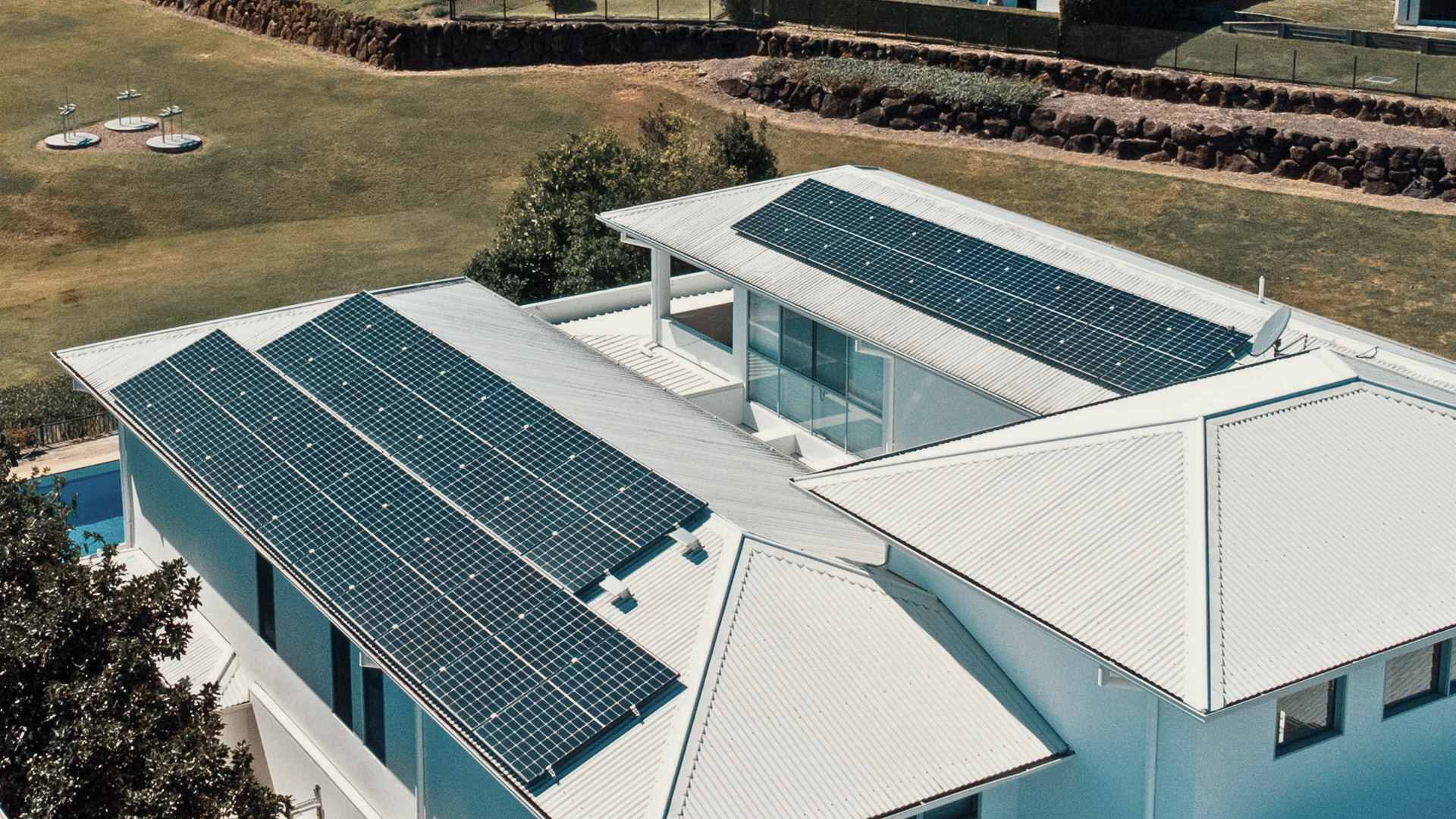
Are you wondering whether solar panels will work on your home? The Aussie sun gives them plenty to work with, but sunshine alone does not make a home suitable for solar. The answer depends on your roof, shade, electrical setup and the way you use power. At Forever Solar, we assess all four rather than simply filling the available roof space.
Your roof space, direction and shade determine the panel layout
Your roof needs enough clear space for panels to be installed safely. Vents, skylights, aerials, chimneys and roof edges can reduce the usable area, even when the roof looks large from the ground.
Direction also affects when your system generates electricity. North-facing panels often provide strong overall production, while east-facing panels generate earlier and west-facing panels extend production further into the afternoon. A combination can work well when your energy use is spread across the day.
Shade from trees, nearby buildings and roof features can reduce output, and its effect can change by hour and season. Some shade may be managed through the panel layout or suitable equipment, but it should always be included in the generation estimate.
Your quote should show where the panels will sit and explain how space, direction and shade shaped the design.
Your roof and electrical system need to be ready
Solar panels are designed to stay on your roof for years. If the roof needs repairs or replacement soon, completing that work first can avoid the cost of removing and reinstalling the system later.
Cracked tiles, corrosion, leaks or structural concerns may need attention before installation. The roof material can also affect mounting, access and labour.
Your switchboard, electricity meter and grid connection must also support the proposed system. Some homes need switchboard upgrades or other electrical work, while local network requirements may affect the inverter, approval process or amount of electricity you can export.
These issues do not always rule solar out, but they can change the design, price and timing. We’ll identify known work and explain what is included in your quote.
Your electricity use determines whether solar makes sense
A suitable roof does not automatically mean the proposed system will deliver good value. Your installer should review how much electricity you use and when you use it.
If you run air conditioning, pool equipment or appliances during the day, you may use more solar as it is generated. If most of your demand happens after sunset, you may export more during the day and continue buying electricity in the evening.
A recent bill provides a starting point, while smart-meter data can show your daily usage pattern in more detail. The recommendation should reflect that information rather than assume every similar-sized home uses power in the same way.
Your future plans can change the right system
Are you planning to add a battery, electric vehicle, pool, more air conditioning or electric hot water? These changes can increase your electricity use and affect the panel layout, inverter selection or switchboard preparation.
Planning ahead does not mean installing the largest system available. It means making sure today’s design does not unnecessarily limit tomorrow’s options.
A proper assessment should explain why solar suits your home
Before accepting a proposal, make sure it explains:
- where the panels will be installed;
- how direction and shade affect expected generation;
- what electricity information was reviewed;
- whether electrical upgrades are required;
- what grid or export conditions apply; and
- how your future energy needs were considered.
Your home is suitable for solar when the roof, electrical setup and energy use support a design that can be clearly justified.
Want to know whether solar suits your home? Talk to us about a tailored solar plan.