
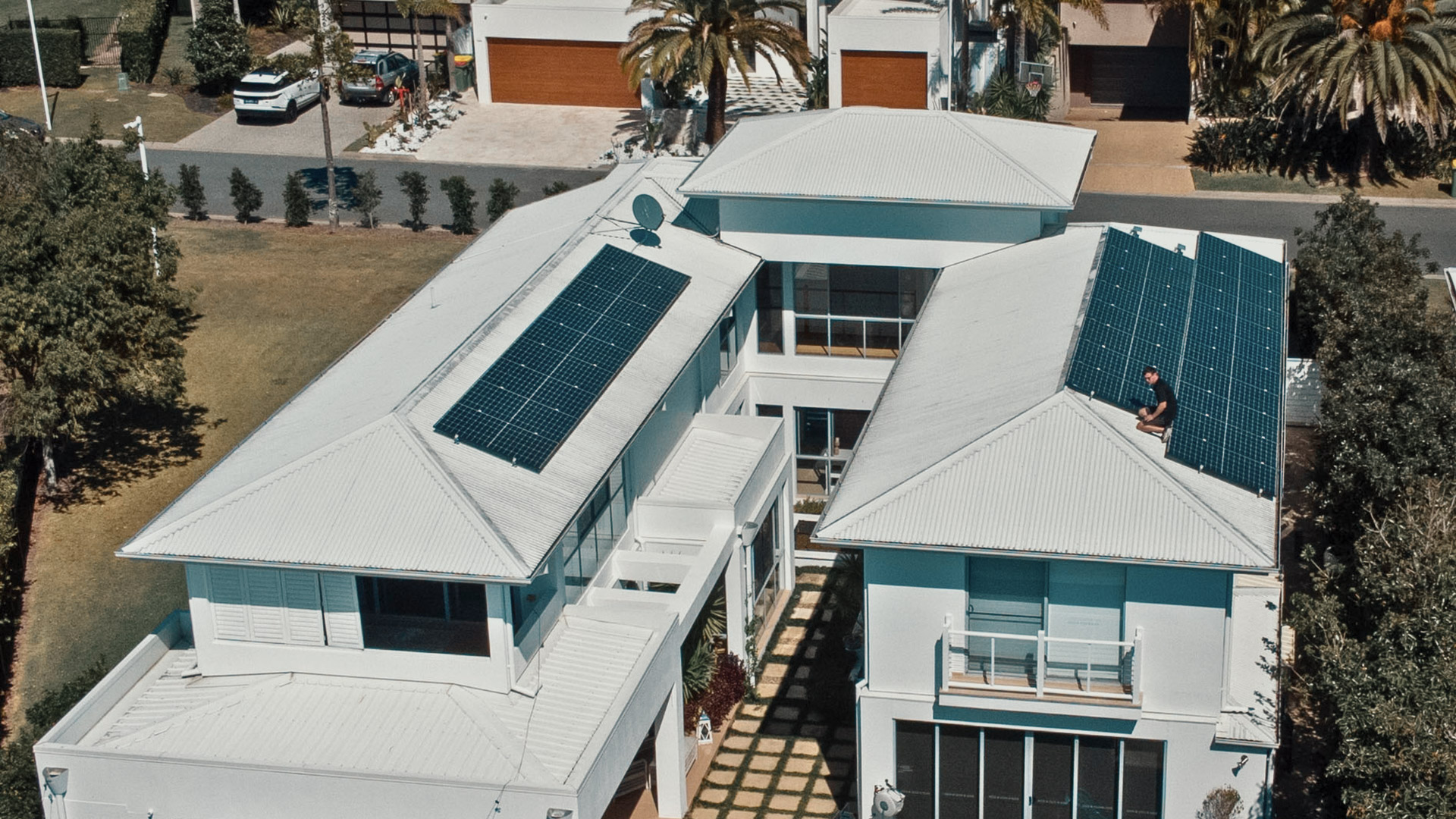
Solar quotes on the Gold Coast can vary widely, even when they appear to offer a similar system size. The final price depends on the panels and inverter, the work required at your property, the installer’s scope and the support included after switch-on.
We’ll show you what you are paying for, not just present the lowest headline number.
System size has the biggest influence on price
A larger solar system needs more panels, mounting equipment, cabling and installation time. Common sizes such as 6.6 kW and 10 kW are useful reference points, but the right capacity depends on your electricity use, roof and future plans.
Two quotes for the same stated size may still use panels with different wattages, inverter capacities and layouts. Compare the complete system rather than panel count alone.
Panels and inverters change both cost and value
Equipment prices vary by brand, model, warranty, Australian support and suitability for the design. A higher price does not automatically mean a better system, but the cheapest equipment may not provide the support or performance you expect over time.
Your quote should list exact model numbers and explain why the equipment suits your roof, usage and local conditions. It should also separate product warranties from the installer’s workmanship warranty.
Your roof and switchboard can add work
A straightforward installation on a clear, accessible roof may cost less than work involving multiple roof sections, difficult access, steep pitches or extensive shade management.
Your switchboard, meter and grid connection also need to support the proposed system. Upgrades, additional cabling or other electrical work can change the price. These costs should appear in the quote where they are known, with possible variations clearly explained.
Advertised prices may include assumptions
An advertised solar price may assume a standard roof, standard installation, eligible incentives and no additional electrical work. Finance can also change the total amount paid through fees, interest or a longer repayment term.
Eligible systems may receive an upfront benefit through Small-scale Technology Certificates, commonly called STCs. The quote should show how that benefit has been applied and identify any eligibility conditions.
When comparing offers, check the cash price, financed total, inclusions, exclusions and possible variations. A low weekly repayment does not show the full cost on its own.
The cheapest quote can leave important gaps
A useful comparison should cover:
- exact panel and inverter models;
- proposed system capacity and layout;
- installation and electrical work;
- monitoring and handover;
- product and workmanship warranties;
- grid and meter responsibilities; and
- support after installation.
If one quote is much cheaper, identify what is missing before deciding it represents better value.
At Forever Solar, we design around your property, electricity use and budget, then explain the scope in plain English. That gives you a clearer basis for comparing price, equipment and responsibility.
Want a price based on your roof and energy use? Talk to us about a tailored solar quote.