
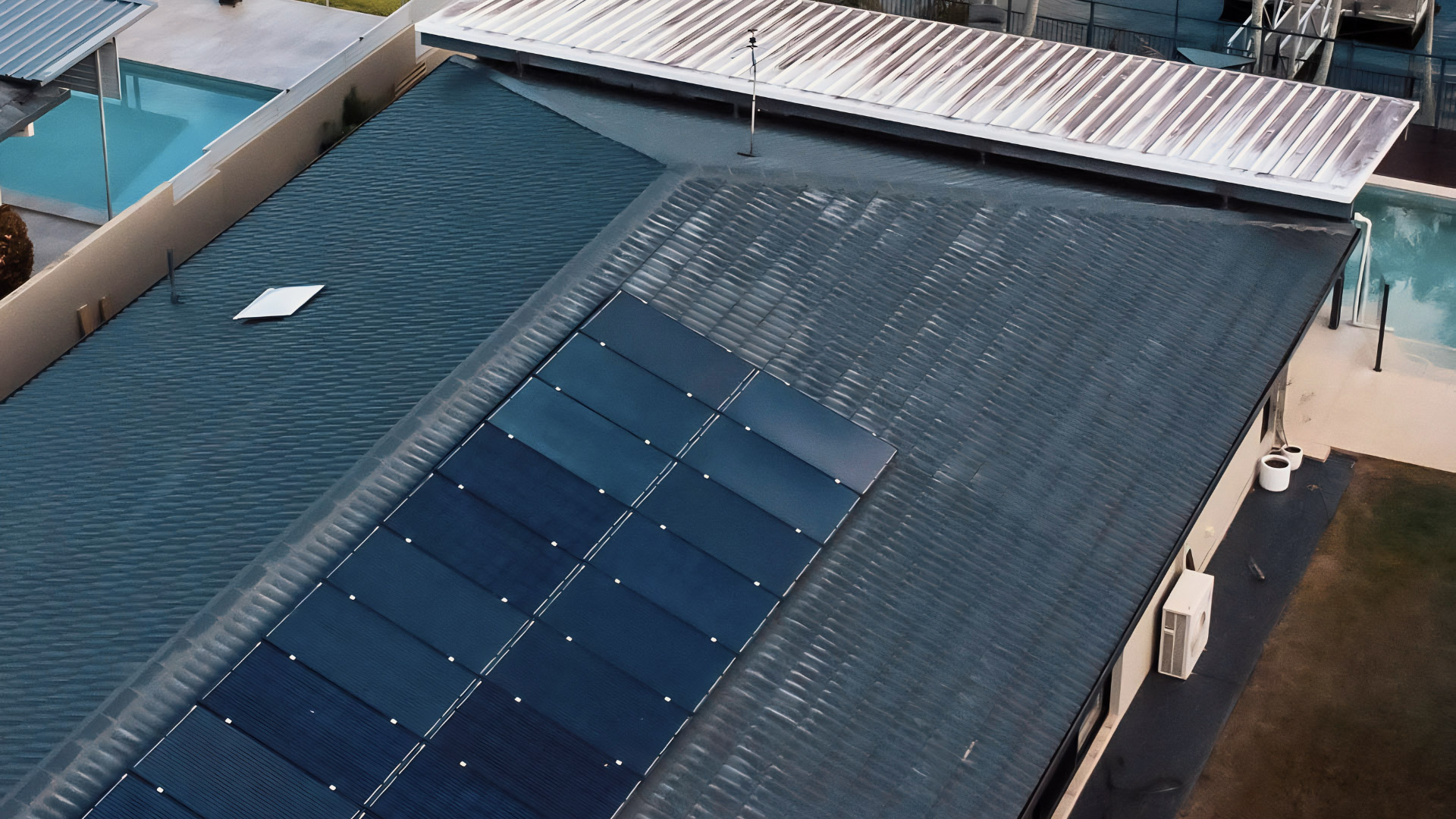
You may be comparing a 6.6 kW solar system with a 10 kW option, but the larger system is not automatically the better fit. The right size depends on how much electricity you use, when you use it, your available roof space and what your household may need in the future, not bedroom count or panel count.
Your bill shows how much power you use, but timing matters too
Your electricity bill shows consumption in kilowatt-hours, written as kWh. Solar-system capacity is measured in kilowatts, written as kW. A 6.6 kW system does not produce 6.6 kWh every hour because output changes with sunlight, season, temperature, roof direction and shade.
Your bill gives us a starting point, while smart-meter data helps us see when you use electricity. If you run air conditioning, pool equipment or appliances during the day, you may use more solar directly. If most of your demand happens after sunset, you may export more during the day and continue buying electricity at night.
Two homes can use the same total amount of power and still need different solar designs.
Your roof determines how much solar can be installed
Usable roof space depends on direction, pitch, shade, condition and obstructions such as vents, skylights and chimneys. Panel wattage also varies, so two systems with the same number of panels may have different total capacities.
A larger roof gives you more options, but the layout should still match your energy use. Even under the Aussie sun, panels facing different directions will generate at different times, while shade can reduce expected output.
Your quote should include a panel layout and explain how the roof shaped the recommended system size.
A 6.6 kW or 10 kW system is a reference point, not a rule
These are common system sizes in Australia, but neither is automatically right for your home. A lower-use household with limited roof space may need less capacity, while a home with high daytime demand, a pool or electric hot water may have a stronger case for more.
The largest system is not always the smartest choice. If your home cannot use much of the extra electricity during the day, a larger share may be exported to the grid. Equipment costs, feed-in tariffs and local export conditions all affect whether that extra capacity provides value.
The useful question is not simply, “How many panels can I fit?” It is, “What do I need this system to do?”
Your future plans can change the right size
Are you planning to add a battery, electric vehicle, pool, more air conditioning or electric hot water? These changes can increase your electricity use and affect the panel capacity, inverter selection or switchboard preparation that makes sense now.
A future battery also needs enough excess solar to charge effectively. Even if you are not installing one today, discussing it early can help avoid unnecessary limits later.
Planning ahead does not mean buying the biggest system available. It means making sure the design supports realistic changes to your home.
Your quote should explain why the system suits you
A clear proposal should explain:
- what electricity data informed the recommendation;
- how much solar you are expected to use directly;
- how your roof, direction and shade affected the layout;
- why the panel and inverter capacities were selected;
- what grid or export conditions apply; and
- how future needs were considered.
The right solar-system size is the one that can be connected to your home, energy use and goals. At Forever Solar, we start with those details rather than asking you to fit around a standard package.
Want to know what size solar system could suit your home? Talk to us about a tailored solar plan.