
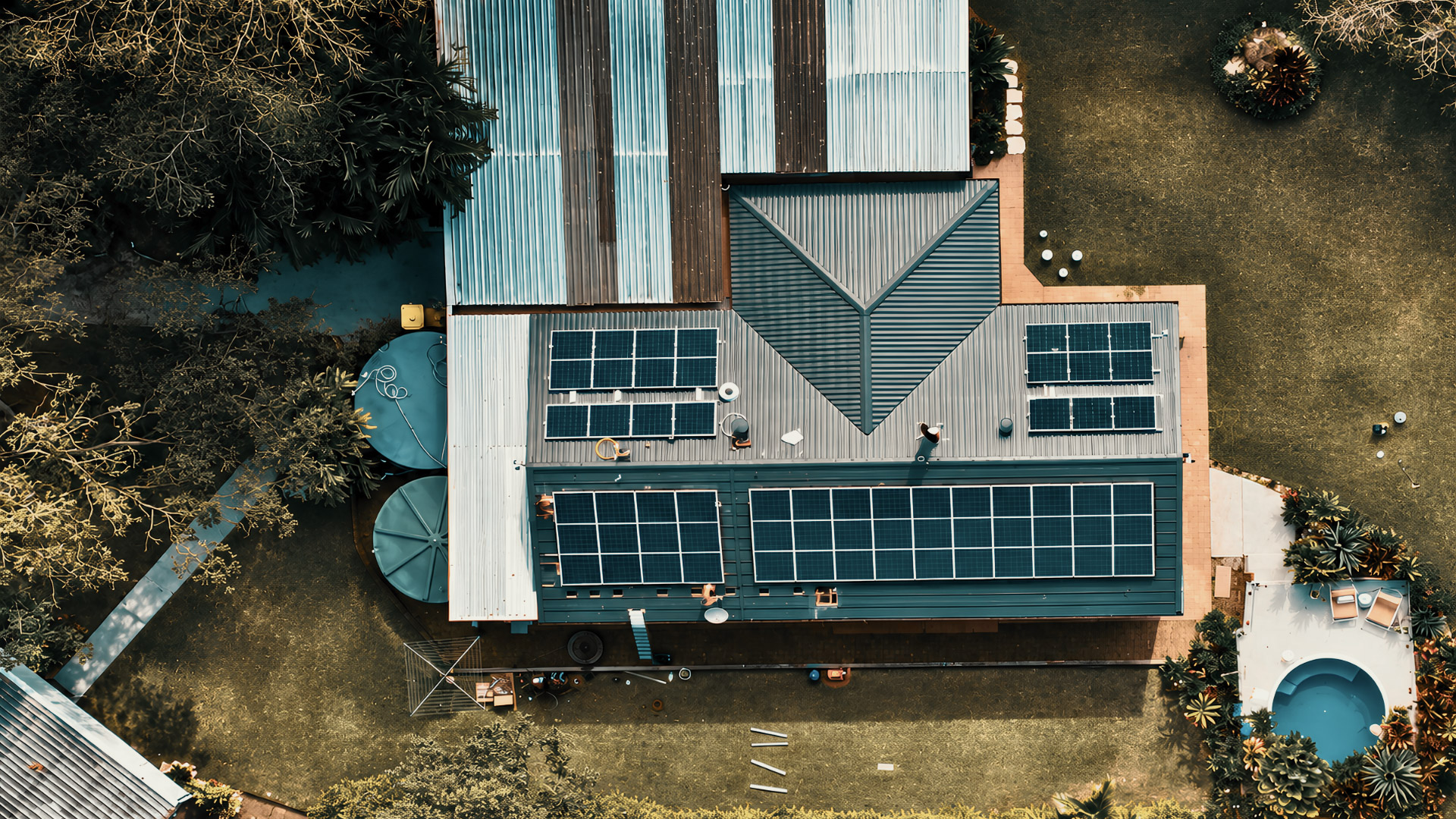
Solar panels can be worthwhile for many Queensland homes, but the answer depends on your numbers. The strongest case usually comes from a well-sized system, suitable roof, meaningful electricity use and a household that can use a reasonable share of its solar during the day.
The useful question is not whether solar works in Queensland. It is whether the proposed system works for your home.
Solar saves money when you buy less electricity from the grid
Your home generally uses available solar electricity before drawing power from the grid. Each kilowatt-hour used directly can reduce the amount of electricity purchased from your retailer.
If your system produces more than you need, the excess may be exported for a feed-in tariff. Export credits can help, but the rate may be lower than the price you pay to import electricity. This is why self-consumption often matters more than chasing the highest advertised feed-in tariff.
Your usage pattern can change the result
A home with daytime air conditioning, pool equipment, electric hot water or people working from home may use more solar as it is generated. A household with most of its demand after sunset may export more during the day and continue buying electricity in the evening.
Two homes with the same quarterly bill can therefore receive different results from the same system. Smart-meter data can help an installer understand when your demand occurs and model the design more accurately.
System cost and finance affect the payback period
A payback estimate compares the system cost with the expected financial benefit over time. It should account for expected generation, self-consumption, electricity rates, feed-in tariffs, system losses and relevant maintenance or finance costs.
If finance is involved, compare the cash price with the total repayments, fees and term. A repayment that appears lower than the current electricity bill does not prove the system will save money overall.
No single payback period applies to every home. At Forever Solar, we show the assumptions behind your estimate and use a range rather than promise one guaranteed result.
Roof conditions and system quality still matter
Shade, roof direction, limited space, equipment selection and installation quality can all affect performance. Additional roof, switchboard or meter work may also increase the upfront cost.
A cheaper system is not automatically a stronger investment if the design is unsuitable, the equipment is difficult to support or responsibility disappears after installation. The quote should explain both the expected output and who handles future issues.
Solar may be less compelling in some situations
The financial case may be weaker if your home has very low electricity use, severe shade, major roof work planned or a short ownership horizon. Strata, tenancy and network constraints can also change what is practical.
These factors do not always rule solar out. They should be included honestly in the recommendation.
We start with your bill, roof, usage pattern and goals before recommending a system. That makes the expected value easier to understand and compare.
Want to see whether solar is worth it for your home? Talk to us about a tailored solar plan.