
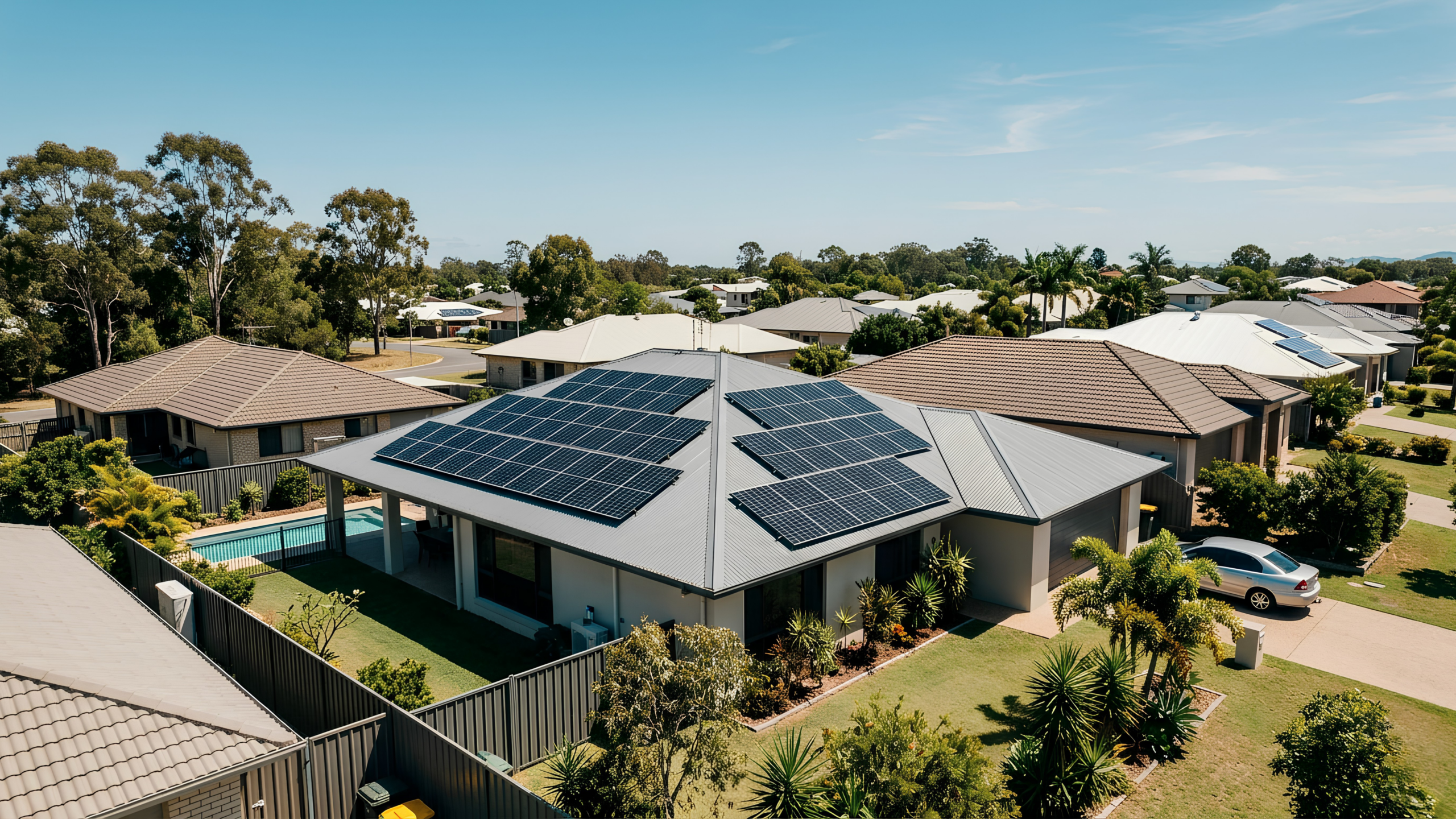
Your solar panels may be producing plenty of electricity around midday, even when your home is not using much of it. That surplus can be exported to the grid, but using suitable appliances while your system is generating may reduce the amount of electricity you need to buy later.
This is called solar self-consumption. It does not mean running everything at once or changing your whole routine. The aim is to move flexible electricity use into daylight hours where it is practical, safe and compatible with your tariff.
Check when your home generates and uses electricity
Start with evidence rather than assumptions. Your inverter or energy-monitoring app may show solar generation, while smart-meter data can help you understand when the home imports and exports electricity.
Look for periods when exports are consistently high and consider which loads could reasonably run during those hours. Generation changes with season, cloud, shade and temperature, so one day of data may not represent your usual pattern.
At Forever Solar, we look at both generation and usage before suggesting changes. That helps separate useful adjustments from habits that add inconvenience without making a meaningful difference.
Move flexible appliances into solar hours
Dishwashers, washing machines and clothes dryers may be suitable for daytime scheduling when their operating instructions allow it. Built-in timers or smart plugs can help, but only use devices that are rated and appropriate for the appliance.
Avoid starting every high-demand appliance at the same time. If the combined load is higher than your solar output, the home will still import the difference from the grid. Staggering suitable appliances may make better use of available generation.
Pool pumps and hot water can be valuable daytime loads
Pool pumps often run for several hours and may be easier to schedule during the solar window. The best timing depends on the pump, pool requirements, seasonal generation and electricity plan.
Electric hot-water systems can also represent a significant load. Some systems may be able to heat water during the day rather than at night, but controls, tariffs and electrical arrangements vary. Any wiring or control changes should be assessed by an appropriately licensed professional.
We can help you understand how these larger loads fit with your solar profile before you change a schedule or tariff.
Use air conditioning while solar is available
On hot days, running air conditioning during solar hours may reduce later cooling demand. Pre-cooling the home before evening can be useful in some households, particularly when insulation, shading and sensible temperature settings help retain the cooler air.
Solar will not necessarily cover the entire air-conditioning load. System output, appliance demand and other equipment operating at the same time all affect how much electricity still comes from the grid.
A battery is not the only way to increase self-consumption
A battery can store surplus solar for later, but it is not automatically the first or best step. Before considering storage, check how much excess solar is regularly available, how much electricity you use after sunset and what you want the battery to achieve.
Simple scheduling may improve daytime use without new equipment. If substantial exports and evening demand remain, battery modelling can then use your actual data rather than a generic household estimate.
Make changes that suit your household
The most useful solar routine is one your household can maintain. Focus on safe, convenient changes and review your monitoring afterwards to see whether imports and exports shifted as expected.
At Forever Solar, our goal is not to make your day revolve around the system. We help you understand how your home uses energy, then identify practical ways to make more of the solar you already generate.
Want a clearer picture of how your home could use solar more effectively? Talk to us about a tailored solar plan, and we’ll work through your usage, priorities and options with you.